 Latest Breaking News Online News Portal


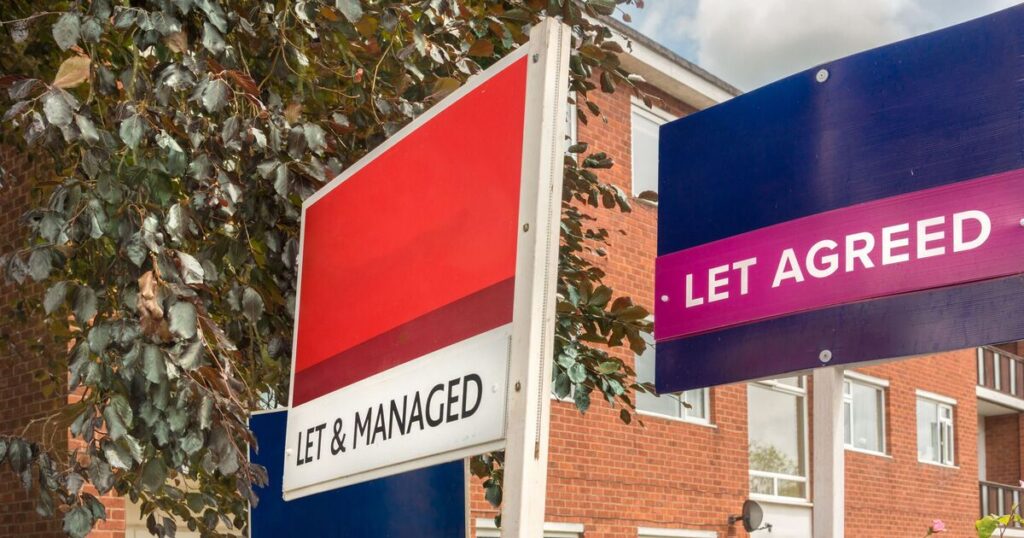
The housing industry is set for a big shake-up next year when significant changes as part of the government’s Renters’ Rights Act 2025 come into force for landlords in England.
From May 1, 2026, all existing and new assured shorthold tenancies (ASTs) will automatically become assured periodic tenancies (rolling contracts that have no end date). Now, an estate agent has explained in simple terms what that means for rented properties.
Foden Property director, Katie Hatten took to TikTok to express to landlords the importance of keeping a proper audit trail. “From May 1, every single tenancy will be a rolling periodic tenancy and we think that again, at some point in March we will start to see what clauses the government are insisting have to be in those tenancy agreements,” she said.
Katie went on to stress that every tenant must receive the new government-issued leaflet by the end of May. “There’s no need to actually renew the tenancy itself – but you do need to prove the document was issued,” she added.
The director also pointed out: “So creating a clear paper trail matters. Whether it’s email acknowledgment, Docusign, Signable or another digital tool, make sure you can show that each tenant received and confirmed the update.”
Therefore if a landlord is questioned or challneged, they will need to demonstrate that the document has been given. “If you send it via email, ask them to respond and acknowledge its receipt,” Katie advised. “Keep those email documents filed so you have them on record.”
In addition, Katie explained that new legislation from the same date will mean that rent increased can only be made once a year and must be done as part of a prescribed Section 13 – whereby two months’ written has to be provided – during which time tenants have a right to challenge the rise in cost.
“The things you need to be aware of are the correct form, the correct notice, that they can challenge it and that if they do, you will need to provide evidence to support your rent increase,” Katie continued.
The government has listed all the changes to the Renters Rights Act in a blof post, stating that the new laws will give 11 million renters stronger rights, better protections and more security in their homes.
What changes are coming into place for rented properties in May 2026?
- No more ‘no-fault’ evictions – landlords in the private rented sector won’t be able to evict tenants without a valid reason.
- Goodbye to fixed contracts – all tenancies in the private rented sector will roll on from month to month or week to week (depending on your arrangement) with no end date, giving renters more flexibility. Tenants can end them with two months’ notice as well.
- Fairer rent rules – landlords can only raise rent once a year, and renters can challenge unfair hikes.
- No more bidding wars – landlords must stick to no more than the advertised rent price.
- One month’s rent upfront, max – landlords can’t ask for more.
- No discrimination – it’ll be illegal to refuse tenants just because they receive benefits or have kids.
- Pets welcome – renters can now ask to live with a pet and landlords must consider it fairly.
The post also states: “Landlords will still be able to get their property back for clear reasons – like selling up, moving in, or dealing with rent arrears or anti-social behaviour. The changes aim to strike a fair balance between renters and landlords, making the system more stable, safer and easier to understand.”